This Texas Town Was So Desperate It Sold Its Own Name to a Hot Sauce Company for a Few Cases of Condiment
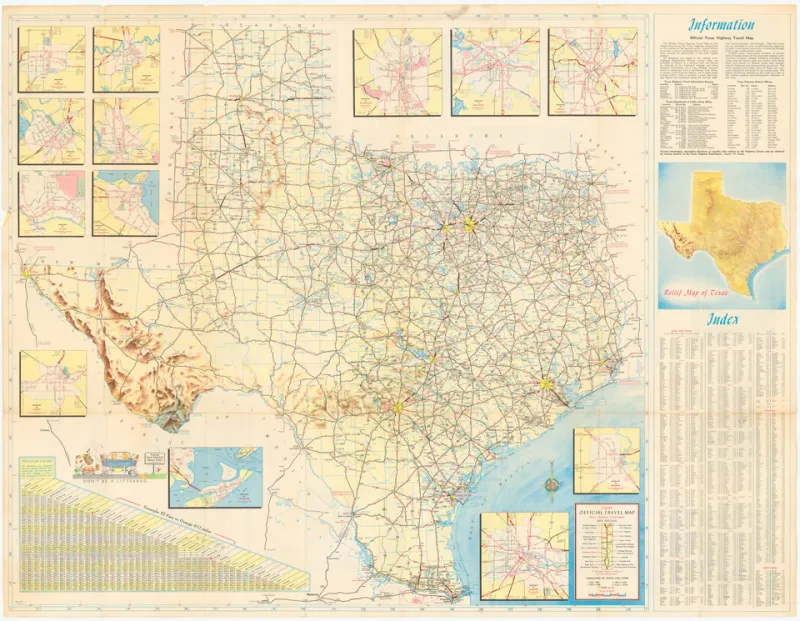
Photo: Justin Cozart, Public domain, via Wikimedia Commons
There's a long, proud tradition in small-town America of doing whatever it takes to get noticed. Towns have staged festivals around obscure vegetables, renamed streets after celebrities who passed through once, and sent increasingly desperate press releases to newspapers that never responded. But in 1950, one tiny Texas community took the concept of civic self-promotion to a place nobody had ever gone before.
They sold their name.
Not metaphorically. Not as a sponsorship deal with fine print and quarterly reviews. They held an official vote, filed the paperwork, and legally renamed their entire town after a bottle of hot sauce.
Meet Castroville. Or Don't — It Doesn't Go By That Anymore.
Actually, the town in question was Halfway, Texas — a small farming community in the Texas Panhandle, not far from Plainview. In 1950, Halfway had a few hundred residents, flat land in every direction, and not a lot of reasons for the outside world to pay attention to it.
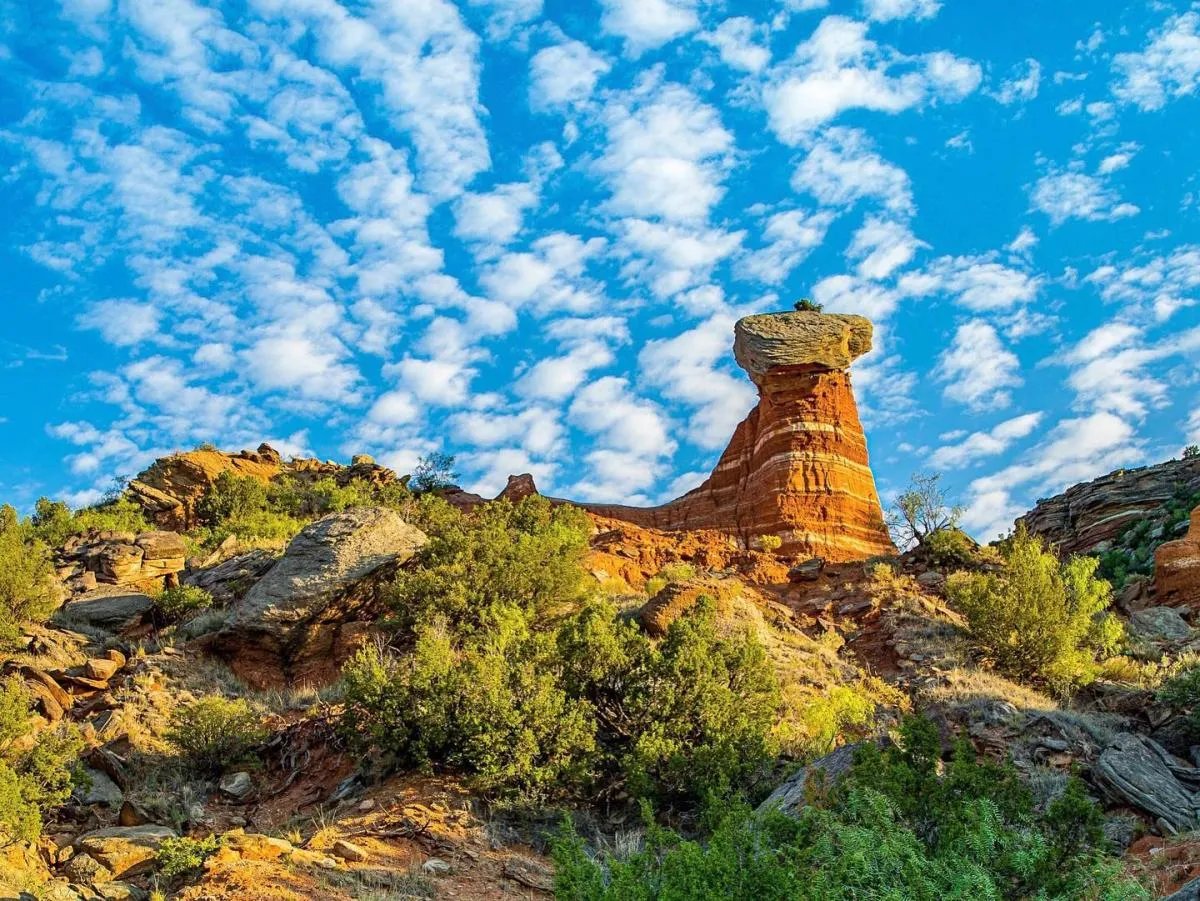 Photo: Texas Panhandle, via assets.simpleviewinc.com
That's when the McIlhenny Company, makers of Tabasco sauce, came up with a marketing stunt that was either brilliant or unhinged, depending on your perspective. They reached out to small towns across the country with a proposition: rename yourselves Tabasco, and we'll give you free product and national press coverage.
Halfway said yes.
The town voted to officially change its name to Tabasco, Texas. In exchange, they received cases of Tabasco hot sauce and the kind of newspaper coverage that a place called Halfway, Texas had never previously attracted. For a brief, glorious moment, a dot on the Texas Panhandle map was the most talked-about town in America.
Why Would Anyone Actually Do This?
To understand why a community would trade its identity for condiments, you have to understand what rural Texas looked like in 1950.
The postwar economic boom that reshaped American cities hadn't arrived with equal enthusiasm in places like the Panhandle. Small agricultural towns were watching their young people leave for Dallas and Houston, their tax bases shrink, and their futures grow uncertain. The federal highway system that would eventually reshape American commerce hadn't been built yet. These communities were, in many cases, genuinely struggling to stay relevant — or simply to stay.
Getting your town's name in newspapers across the country wasn't just a novelty. It was free advertising in an era when advertising was expensive and the competition for attention was fierce. If a name change brought in tourists, journalists, or even just curiosity, it was worth considering. And if it also came with free hot sauce, well, that was just practical.
The McIlhenny Company understood this dynamic perfectly. They weren't offering the towns much in material terms. But they were offering something arguably more valuable: a story. And in 1950, being the town that renamed itself after a condiment was a very good story.
The Fine Print of Selling Your Identity
What makes the Tabasco deal genuinely strange — beyond the obvious — is how cleanly transactional it was. There was no long-term partnership, no ongoing revenue sharing, no corporate investment in the town's infrastructure. The McIlhenny Company got a marketing moment. The town got a few cases of hot sauce and fifteen minutes of fame.
It was, by any modern standard, a spectacularly lopsided arrangement. And yet, it worked exactly as advertised for both parties. The stunt generated national press coverage, which was the whole point. Tabasco sauce got its name attached to an actual American place on an actual American map, which had a certain wholesome, all-American appeal that money couldn't easily buy.
The town, for its part, got something it had never had before: a reason for people to write about it.
The Aftermath of Being a Condiment
The name didn't stick permanently. Towns, it turns out, have complicated relationships with their own identities, and the residents of what had briefly been Tabasco, Texas eventually drifted back toward their original name. The stunt was memorable, but civic identity runs deeper than a marketing deal, even a weird one.
But the story didn't disappear. It became a footnote in the history of American advertising — one of the earliest documented examples of a corporation attaching its brand directly to a geographic place through a civic transaction. Decades before naming rights deals became standard practice for sports arenas and concert halls, a hot sauce company in Louisiana had figured out that you could buy a town's name for the price of a few crates of condiment.
America's Strangest Sponsorship Tradition
What the Tabasco deal really reflects is something genuinely American: the willingness to be creative — and occasionally undignified — in the pursuit of economic survival. Small towns across this country have always improvised. They've rebranded themselves around quirky festivals, leaned into odd historical accidents, and occasionally done things that seemed embarrassing at the time but turned out to be brilliant.
Renaming your town after a hot sauce brand in exchange for cases of the stuff is, objectively, one of the stranger moves in that tradition. But it came from the same place as all the others: a community looking at its options and deciding that doing something unusual was better than doing nothing at all.
The hot sauce is long gone. The story is still here.