The Village Where Everyone Kept Falling Asleep and No One Could Figure Out Why
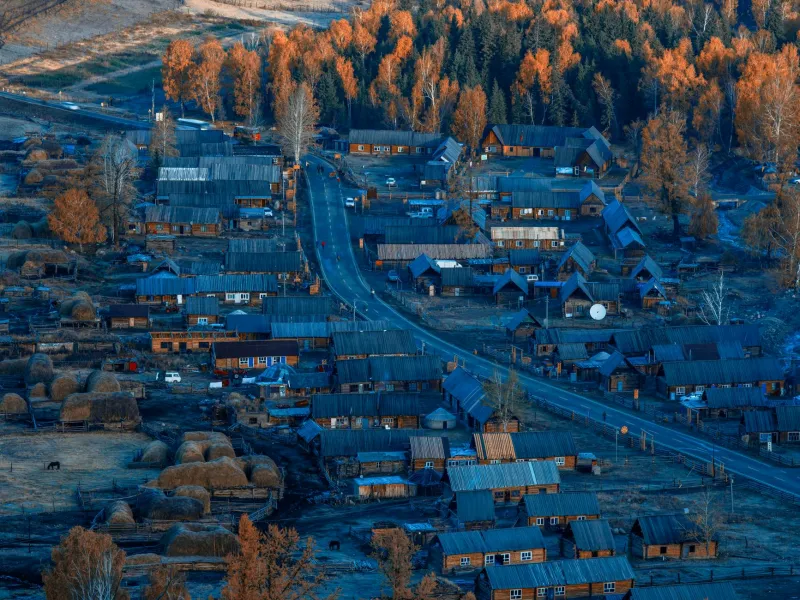
When an Entire Village Became Sleeping Beauty
Imagine waking up in a hospital bed with no memory of the past three days, doctors telling you that you simply... fell asleep. Not just a nap, but a deep, unshakeable coma-like sleep that struck you while walking down the street. Now imagine this happening to your neighbors, your friends, and random strangers around town with terrifying regularity.
This wasn't a fairy tale curse — it was everyday life in Kalachi, Kazakhstan, where residents spent years living in fear of an invisible force that could knock them unconscious at any moment.
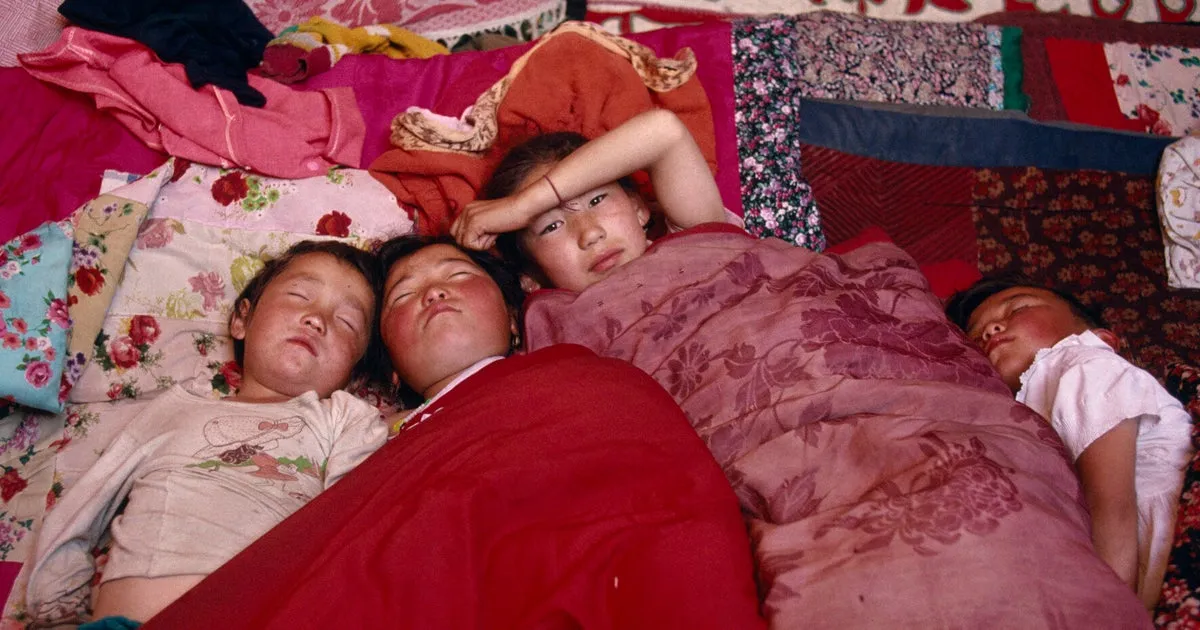 Photo: Kalachi, Kazakhstan, via img.huffingtonpost.com
The Symptoms That Stumped Everyone
Starting in 2013, people in this village of 600 began experiencing what locals called "the sleeping sickness." Victims would suddenly become drowsy, then collapse into a deep sleep lasting anywhere from a few hours to several days. When they finally woke up, many reported vivid hallucinations — some saw horses galloping through their bedrooms, others described conversations with people who weren't there.
Children were particularly affected. One 8-year-old boy fell asleep for four days straight. His frantic parents watched helplessly as doctors ran test after test, finding nothing wrong. When he finally opened his eyes, he asked why there were so many colorful butterflies in the hospital room. There weren't any butterflies.
The episodes struck without warning or pattern. A woman might collapse while hanging laundry, a man while driving his car, teenagers while walking to school. The randomness made it even more terrifying — no one knew who would be next.
The Wild Theories That Missed the Mark
As word spread beyond Kalachi, scientists and government officials descended on the village with increasingly elaborate explanations. The theories ranged from plausible to downright bizarre.
The first suspect was radiation. Kazakhstan's Soviet past included numerous nuclear test sites, and many assumed radioactive contamination was slowly poisoning the villagers. Teams arrived with Geiger counters and hazmat suits, measuring everything from soil samples to household items. The readings came back normal.
Next came the mass hysteria theory. Psychologists suggested that stress and fear were creating a collective psychological breakdown — that people were literally scaring themselves to sleep. When the sleeping episodes continued affecting people who had never heard of the phenomenon, this explanation quietly disappeared.
Some officials blamed contaminated water supplies. Others pointed to unusual weather patterns or electromagnetic anomalies. One particularly creative theory suggested that secret military experiments were somehow affecting the local population. Each investigation ended the same way: inconclusive results and more confused residents.
The Underground Truth
After three years of medical mysteries and mounting international attention, the real culprit finally emerged — and it was embarrassingly simple.
The village sat directly above an abandoned Soviet-era uranium mine. For decades, the underground tunnels had been slowly filling with carbon monoxide and other dangerous gases. When atmospheric pressure changed or wind patterns shifted, these gases would seep up through the ground and into the village above.
Carbon monoxide poisoning explained everything: the sudden onset of drowsiness, the deep unconsciousness, the hallucinations upon waking, and the complete lack of memory. The gas was odorless and invisible, striking randomly based on weather conditions and where people happened to be standing when concentrations peaked.
The most frustrating part? Local officials had known about the abandoned mine all along. Somehow, in three years of investigation, no one had thought to mention that the village was built on top of a network of gas-filled tunnels.
The Anticlimactic Solution
Once authorities identified the source, the solution was relatively straightforward. They installed gas monitoring systems throughout the village and began sealing the mine shafts to prevent further gas leakage. The sleeping episodes gradually stopped, though some residents had already moved away, unable to trust that their hometown wouldn't knock them unconscious again.
The Kalachi mystery became a case study in how even the most bizarre medical phenomena often have mundane explanations — and how easy it is to overlook the obvious when you're looking for something extraordinary.
Today, the village is mostly empty. While the immediate danger has passed, many families decided they'd had enough of living above a time bomb, even a defused one. The few remaining residents joke darkly about their town's claim to fame: the place where an entire community played sleeping beauty for three years, all because someone forgot to mention the gas-filled mine underneath their homes.
Sometimes the truth really is stranger than fiction — not because it's exotic, but because it's so simple that everyone missed it.