When Mailing Your Kid Was Perfectly Legal: The Utah Family Who Shipped Their Son Through the Post Office
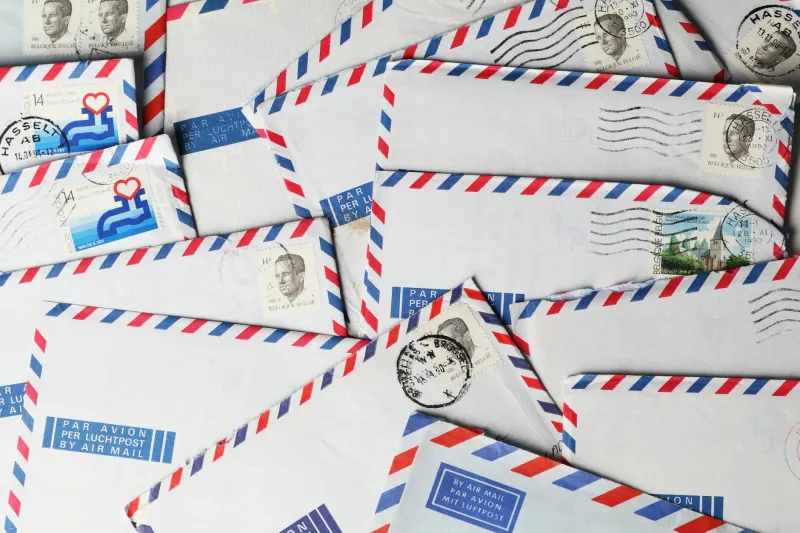
When Postage Stamps Covered More Than Packages
Picture this: You're running late for work in 1914 when your postal carrier knocks on the door. Instead of handing you the usual letters and packages, he's got a squirming toddler with stamps stuck to his jacket. Welcome to the brief, bizarre era when the U.S. Postal Service accidentally made mailing children completely legal.
The Beagle family of Glenrio, Utah, found themselves in a predicament that sounds like something out of a comedy sketch. They needed to get their young son to his grandmother's house, but train fare was expensive and travel was complicated. Then someone had a brilliant idea: Why not mail him?
The Loophole That Changed Everything
The U.S. Postal Service had just introduced parcel post in 1913, revolutionizing how Americans sent packages. For the first time, you could mail large items across the country at reasonable rates. The service was so new that regulations were, shall we say, creatively interpreted.
Technically, the postal service prohibited mailing "live animals" — but the definition was surprisingly narrow. Small creatures like baby chicks routinely traveled through the mail system. The rules said nothing specific about humans, and enterprising families across America began to notice.
The Beagles weren't the first to exploit this oversight, but their story became legendary. They carefully calculated the postage based on their son's weight (he qualified as a package under 50 pounds), affixed the stamps directly to his clothing, and handed him over to their local postal carrier.
A Very Special Delivery
What happened next sounds impossible, but it's documented in postal records. The mail carrier, following regulations to the letter, personally escorted the boy on the train journey to his destination. Upon arrival, he knocked on grandmother's door and made what was probably the most unusual delivery in postal history.
The child arrived safe, sound, and completely oblivious to the fact that he'd just made history as human mail. His grandmother signed for the delivery just like any other package.
This wasn't an isolated incident. Records show that at least six children were successfully mailed to relatives during this brief window. Parents discovered that sending a child through the postal service cost significantly less than buying a train ticket — sometimes as little as 15 cents compared to several dollars for regular passenger fare.
The Postal Service Catches On
News of these human shipments eventually reached postal headquarters in Washington, D.C., where officials reacted with the kind of bureaucratic horror you'd expect. Imagine being the postmaster general who had to explain to Congress why the mail service was accidentally running a child transportation network.
The postal service quickly issued new regulations explicitly prohibiting the mailing of human beings. The official memo, sent to postmasters nationwide in 1914, stated in no uncertain terms that children were not packages and should not be treated as such.
More Than Just a Funny Story
While the idea of mailing children sounds absurd today, it highlights the very real transportation challenges rural American families faced in the early 20th century. Train travel was expensive, roads were poor, and families were often separated by vast distances.
The postal service had become such a reliable institution that parents trusted it more than other available options. These families weren't being reckless — they were using the most dependable delivery system in America.
The brief era of human mail also demonstrates how quickly bureaucracy adapts when faced with unintended consequences. Within months of the first documented child shipment, the loophole was permanently closed.
A Legacy in Postal History
Today, the story of mailed children has become part of postal service folklore. The Smithsonian Institution includes references to these incidents in their postal history exhibits, and the story regularly resurfaces in collections of bizarre American history.
The Beagle family's son lived a normal life, though he probably had the most unique delivery story of anyone in his generation. He grew up to become a local businessman, and family legend says he never quite got over the novelty of being the only kid in town who'd been officially mailed somewhere.
The incident serves as a reminder that even the most carefully crafted regulations can have unexpected loopholes — and that American ingenuity will find a way to exploit them, even if it means turning your toddler into a package. In an era when we debate the ethics of shipping everything from groceries to furniture, it's worth remembering that for a brief moment in 1914, the mail really could deliver anything — including your kids.