He Was Trying to Cure Headaches. He Accidentally Invented the World's Most Popular Drink Instead.
He Was Trying to Cure Headaches. He Accidentally Invented the World's Most Popular Drink Instead.
If you asked someone to guess where the most iconic American beverage came from, they'd probably imagine a boardroom, a test kitchen, maybe a focus group with a lot of clipboards. They almost certainly wouldn't picture a former Confederate Army surgeon boiling caramel-colored syrup in a brass kettle in the backyard of an Atlanta pharmacy, trying to cure headaches.
But that's exactly where it started.
The Man Behind the Kettle
John Stith Pemberton was a pharmacist by training and an inventor by compulsion. By the time the 1880s rolled around, he'd already spent years tinkering with patent medicines — those peculiar bottled concoctions that 19th-century Americans gulped down for everything from fatigue to "female complaints." Pemberton was particularly obsessed with developing a nerve tonic, something that could ease pain, sharpen the mind, and maybe help him wean himself off morphine, which he'd become dependent on after being wounded in the Civil War.
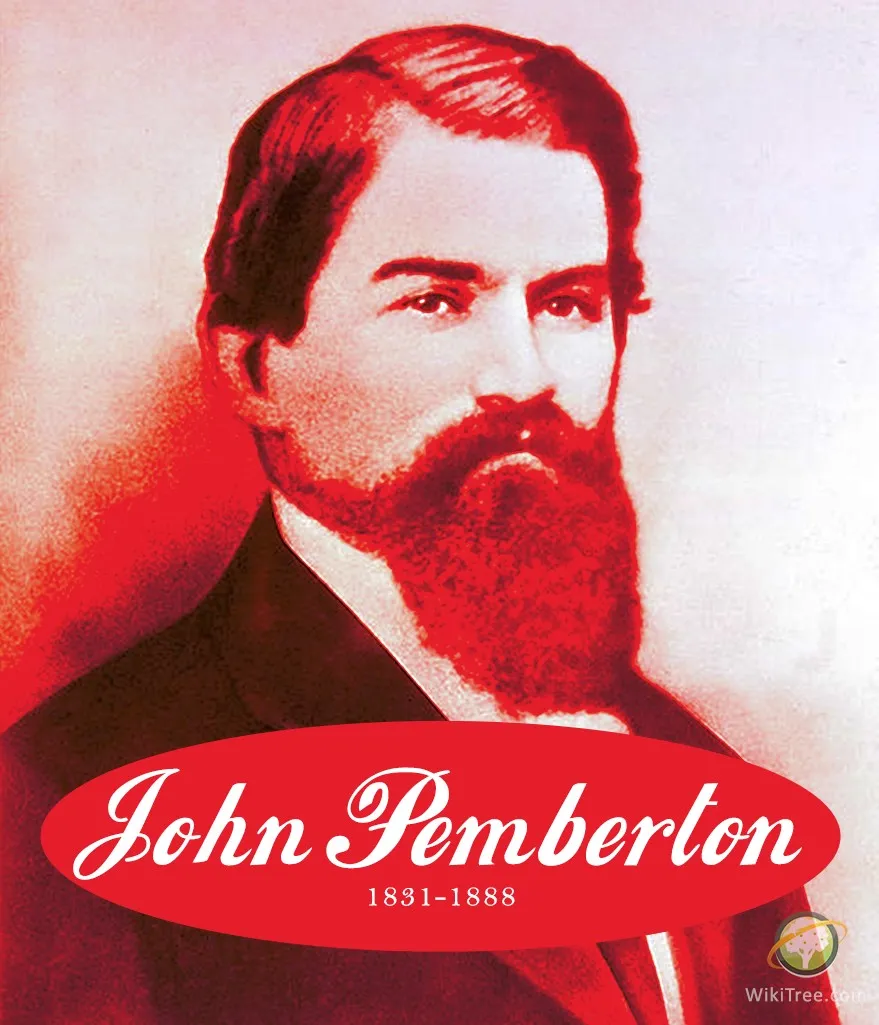 Photo: John Stith Pemberton, via i.pinimg.com
His most promising attempt was a wine-based drink laced with coca leaf extract — essentially an early version of cocaine wine, which was, remarkably, completely legal and fashionable at the time. It sold decently. Then Fulton County, Georgia went dry in 1885, banning alcohol sales. Pemberton needed a new formula.
So he went back to the kettle.
A Recipe Built on Guesswork
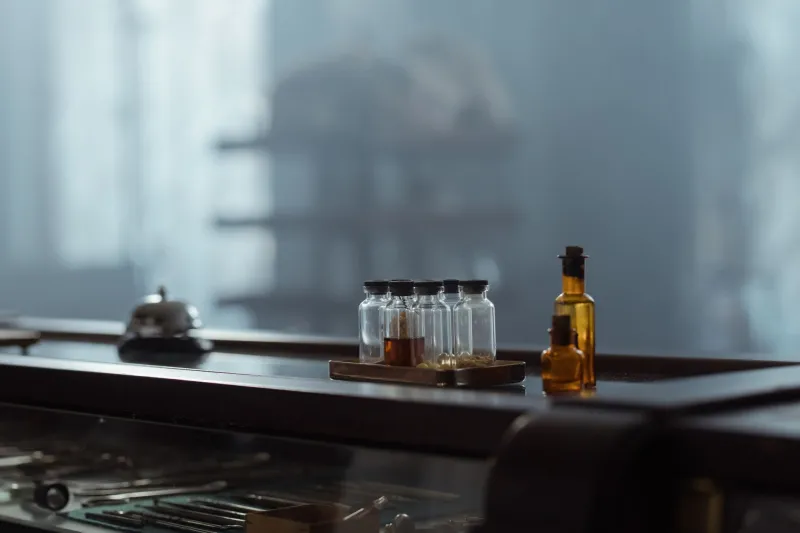
In the spring of 1886, Pemberton mixed together a new syrup in his backyard. The exact recipe has never been fully confirmed, but historians believe it contained extracts from coca leaves and kola nuts — both stimulants — along with sugar, caramel coloring, and a blend of oils and acids that gave it a distinctive bite. The whole thing was intended as a medicinal tonic. Something you'd pick up at a pharmacy counter, not a soda fountain.
Pemberton brought his creation to Jacobs' Pharmacy in Atlanta, where it was mixed with plain water and sold for five cents a glass. Early advertisements marketed it as a remedy for headaches, exhaustion, and morphine addiction. It was, by any reasonable measure, a drug delivery system dressed up as a refreshment.
Then someone — accounts differ on exactly who — accidentally mixed the syrup with carbonated water instead of still water.
The result tasted considerably better.
The Name That Stuck
Pemberton's bookkeeper, Frank Robinson, came up with the name. He thought the two C's would look elegant in advertising, and he had a gift for penmanship, so he wrote it out in the looping cursive script that the world still recognizes today: Coca-Cola.
In its first year, Pemberton sold an average of about nine servings a day. Total revenue for 1886 was roughly fifty dollars. Expenses were around seventy. The invention of the world's most dominant commercial beverage was, financially speaking, a disaster in year one.
Pemberton never got to see what it became. Sick, broke, and still struggling with addiction, he sold off portions of his ownership stake piece by piece to cover medical bills. He died in 1888, just two years after his kettle experiment, having sold almost all his rights to a businessman named Asa Candler for a total of around $1,200.
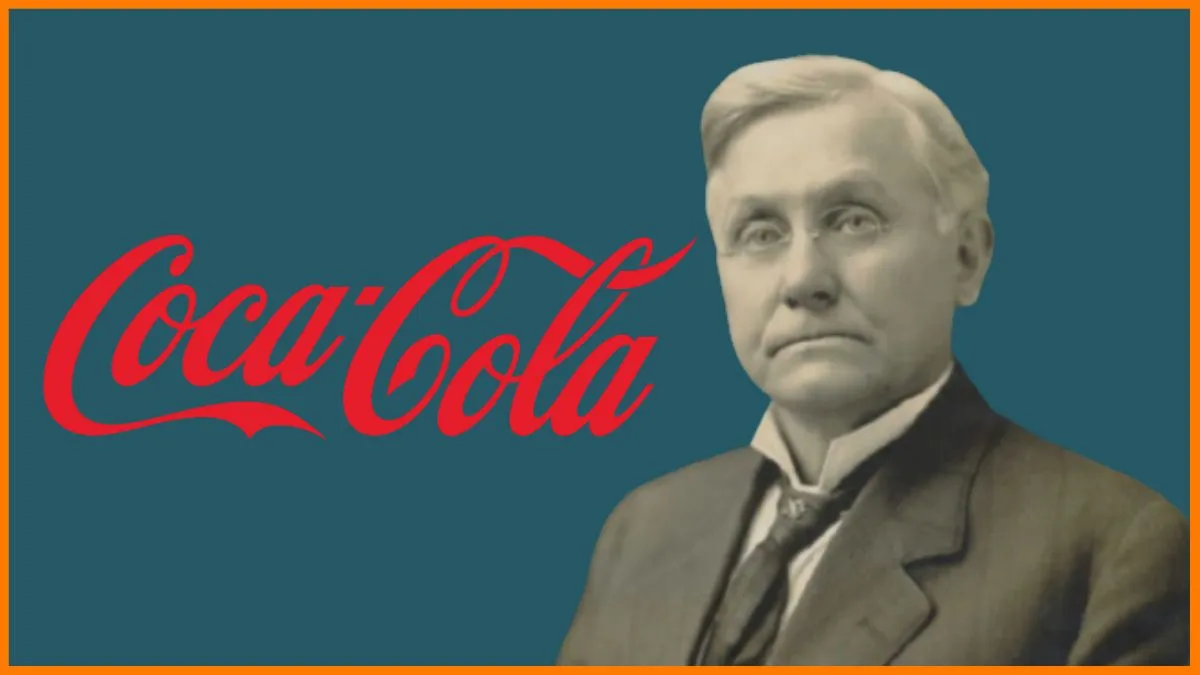 Photo: Asa Candler, via static.startuptalky.com
Candler, who had no background in medicine or chemistry but a sharp instinct for marketing, turned the tonic into a beverage empire. He dropped most of the medicinal claims, leaned into the refreshment angle, and began distributing free coupons for sample glasses across the country. It worked.
From Headache Cure to Cultural Cornerstone
By the early 20th century, Coca-Cola wasn't just a drink. It was showing up in paintings, on barn walls, in Norman Rockwell illustrations. During World War II, the U.S. government exempted Coca-Cola ingredients from sugar rationing so the drink could be supplied to troops overseas — a remarkable testament to how thoroughly it had embedded itself in American identity.
Today, the Coca-Cola Company operates in more than 200 countries. Roughly 2 billion servings of its products are consumed every single day. The brand is estimated to be worth somewhere north of $80 billion.
All of it traces back to a pharmacist's backyard experiment that was supposed to be a painkiller.
The Strangest Part
What makes Pemberton's story genuinely surreal isn't just the accidental invention — it's the scale of the miscalculation. He was trying to solve a very specific, very local problem: how to sell a stimulating tonic in a county that had just banned booze. The global domination of American soft drink culture was not part of the plan.
The coca leaf extract was quietly removed from the formula in the early 1900s as concerns about cocaine grew louder. The kola nut content was reduced. The medicinal framing was abandoned entirely. What remained was essentially the flavor profile of a headache remedy, stripped of its original purpose, carbonated by accident, and marketed to the world as refreshment.
John Pemberton died thinking he'd failed. He hadn't even come close.